
Every year, companies spend tens of thousands of dollars securing prime floor space, only to walk away from a show with a fraction of the leads they expected. The booth looked fine. The team showed up on time. But somewhere between planning and execution, something didn't work, and the cost wasn't just wasted budget. It was missed opportunity.
This happens more often in larger footprints than smaller ones. A 20x40 trade show booth offers incredible potential, more space for meetings, demos, and product storytelling, but that same scale multiplies the impact of every planning mistake. What might be a minor oversight in a 10x10 booth becomes a significant, visible failure in an 800-square-foot space where hundreds of attendees are watching.
Here's a breakdown of the most common, and most costly, planning mistakes exhibitors make with larger booths, and how to avoid them.
Mistake #1: Designing for Space Instead of Flow
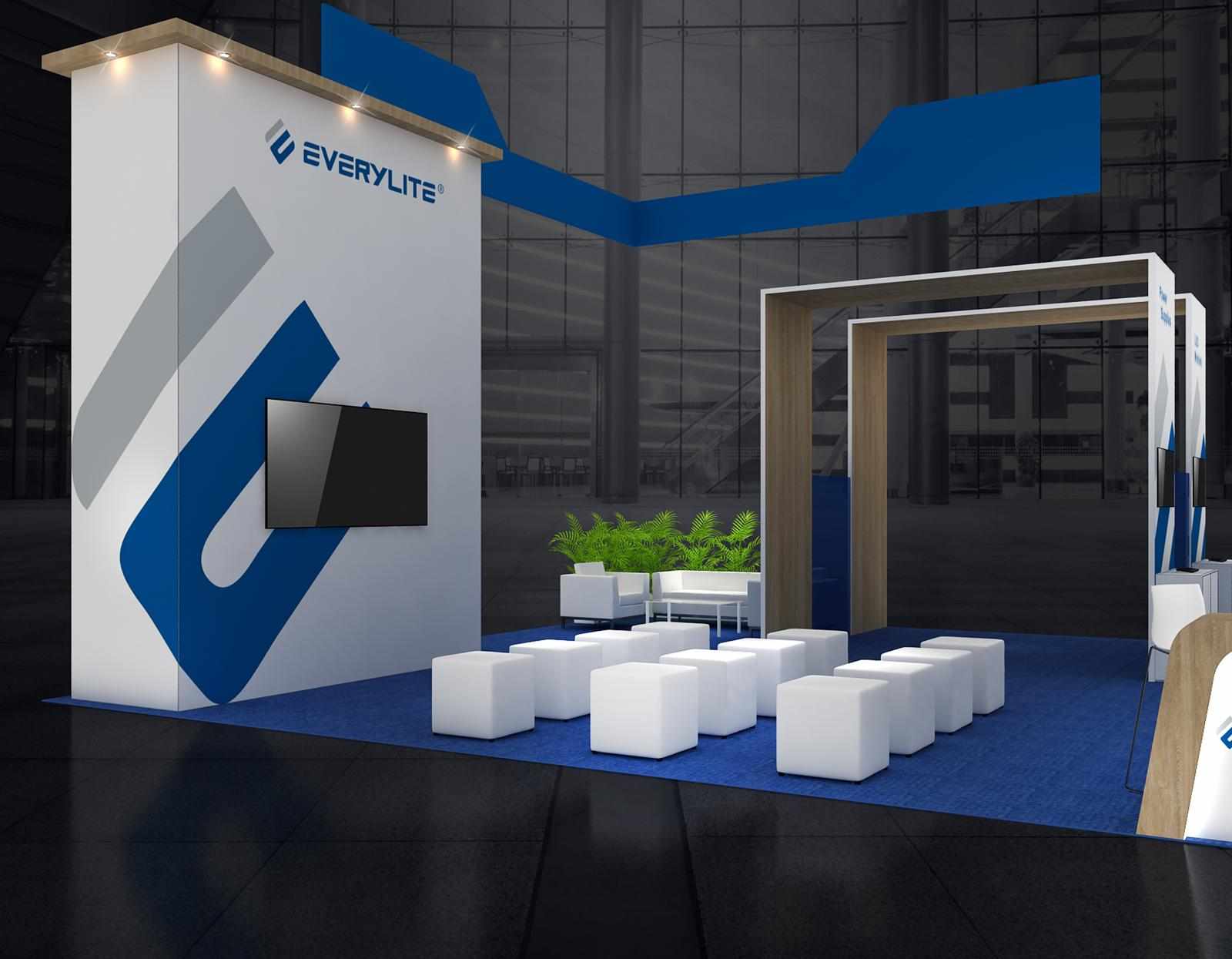
One of the most frequent errors with a 20x40 trade show booth is treating the extra square footage as more room to fill, rather than more room to design intentionally. Exhibitors overload the space with displays, signage, and furniture, creating a layout that feels cluttered instead of open.
The cost: Poor flow confuses visitors about where to go and what to look at first. Instead of a guided journey through your brand story, attendees wander aimlessly, or worse, walk past your booth entirely because the entrance feels congested.
The fix: Strong 20x40 trade show booth ideas start with traffic flow, not decoration. Map out entry points, walkways, and sightlines before deciding where displays and furniture go. Every element should pull visitors deeper into the space, not block their path.
Mistake #2: Underestimating Staffing Needs
A larger booth naturally creates more simultaneous visitor interactions, multiple people browsing product displays, several conversations happening at a demo station, and prospects waiting near a meeting room. Many exhibitors plan their staffing levels based on their previous, smaller booth experience, not the increased visitor volume a bigger footprint attracts.
The cost: Understaffed booths mean missed conversations. Visitors who can't get attention within a few minutes often move on to a competitor's booth, and that lead is gone for good.
The fix: Staff a 20x40 space based on projected foot traffic, not booth size alone. Assign team members to specific zones (demo area, meeting room, general floor) so no part of the booth goes unattended during peak hours.
Mistake #3: Waiting Too Long to Book Rental Space and Services
Larger exhibits require more coordination, structural elements, AV equipment, furniture, and skilled labor all need to be secured well in advance. Exhibitors who wait until a few weeks before the show to finalize their 20x40 trade show booth rental often find themselves with limited vendor availability, rushed timelines, and fewer customization options.
The cost: Last-minute bookings frequently mean settling for generic layouts, delayed shipping, or paying rush fees that blow past the original budget, while still ending up with a booth that doesn't fully reflect the brand.
The fix: Lock in rental agreements and vendor contracts months ahead of the show date. This is especially critical for 20x40 trade show island booth rentals, which involve more structural planning, four-sided design considerations, and higher demand at major industry events.

Mistake #4: Ignoring Sightlines from All Four Sides
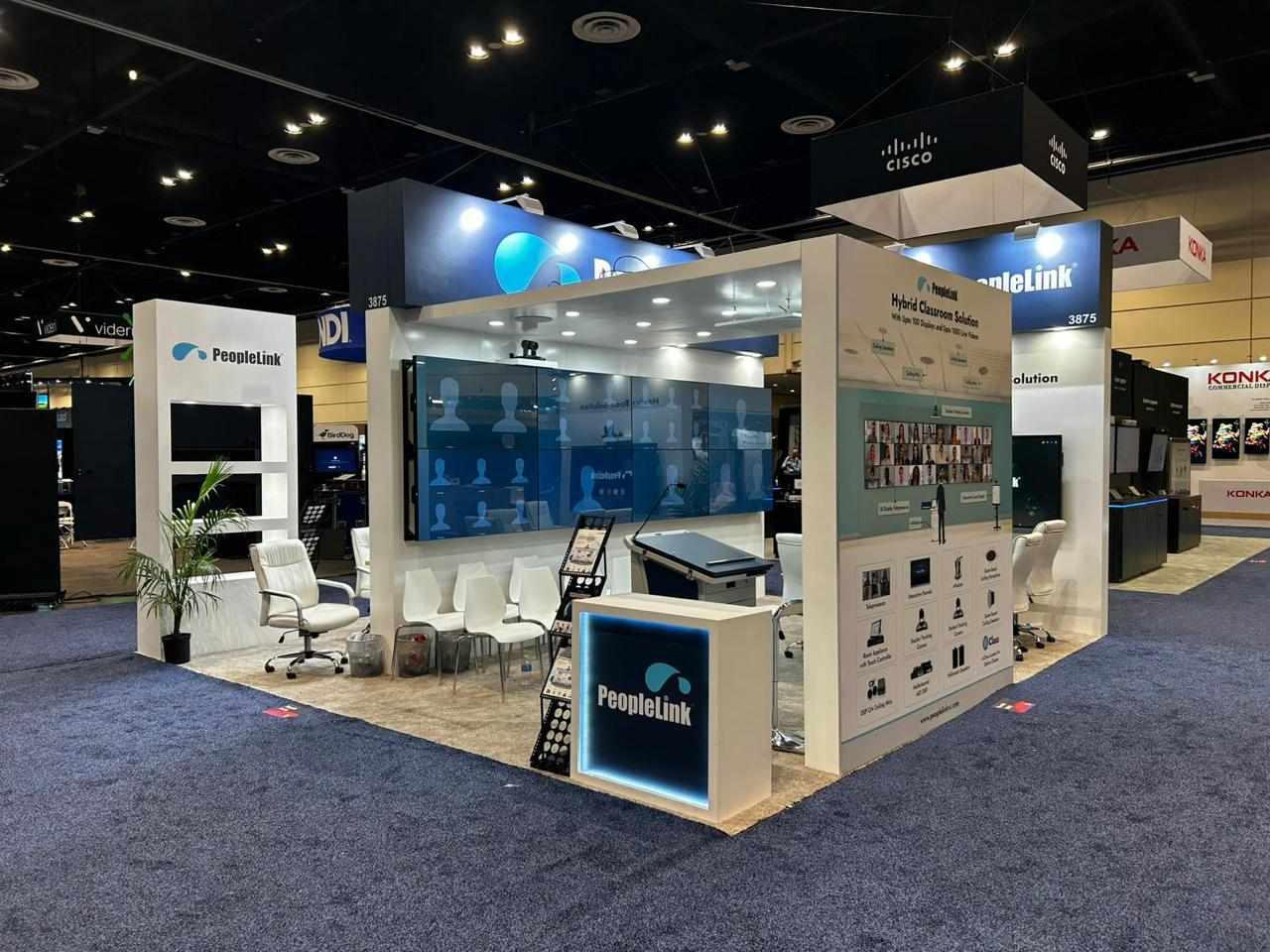
Island booths, spaces surrounded by aisles on all sides, are a common configuration for 20x40 footprints. But designing a booth that only looks good from the front entrance is a mistake that becomes very costly in this format.
The cost: If your booth looks unfinished or awkward from the side or back, you lose visual impact from at least half the show floor traffic passing by. For 20x40 trade show island booth rentals specifically, this mistake is magnified because all four sides are visible and functional entry points.
The fix: Design with 360-degree visibility in mind. Branding, lighting, and signage should be strong from every angle, not just the "main" side of the booth.
Mistake #5: No Contingency Plan for On-Site Issues
Even with strong planning, things go wrong, a shipment is delayed, a structural piece doesn't fit as expected, or an AV component malfunctions right before doors open. Exhibitors who don't plan for these possibilities often scramble reactively, which shows in the final presentation.
The cost: A visibly unfinished or malfunctioning booth in the first hours of a show can cost significant lead generation time, especially at events where floor traffic peaks early.
The fix: Build in buffer time for installation, confirm backup equipment options with your rental provider, and designate a team member to manage on-site issues so the rest of your staff can stay focused on visitors.
Where Poor Planning Becomes a Real Disaster: CES
Few exhibitions expose planning mistakes as quickly, or as publicly, as CES (Consumer Electronics Show) in Las Vegas. With well over 100,000 attendees and thousands of exhibitors competing for attention across a massive show floor, CES is one of the most high-stakes environments for a large-format booth.
At a show of this scale, a poorly planned 20x40 trade show booth doesn't just underperform, it becomes highly visible in exactly the wrong way. Major media outlets, analysts, and potential partners walk the floor specifically looking for standout exhibits, and a cluttered layout, understaffed zones, or a booth that looks incomplete gets noticed immediately. Competing brands with polished, well-executed booths of the same size make any shortcomings even more apparent by direct comparison.
Because CES draws such a high concentration of decision-makers and media in a short window, the cost of a planning failure isn't just a slow show day, it's a missed opportunity that's difficult to recover from until the next event cycle, often a full year later.
Turning a Large Footprint Into a Real Advantage
None of these mistakes are inevitable. A 20x40 trade show booth is one of the most effective formats available for generating high-quality leads, when the planning matches the scale of the space. That means:
· Designing for visitor flow, not just visual appeal
· Staffing based on realistic traffic projections
· Booking rental partners and services early
· Planning for full visibility if using an island configuration
· Preparing contingency plans for on-site surprises
Exhibitors who treat these as non-negotiable planning steps consistently outperform those who treat a larger booth as simply "more of the same, but bigger." The square footage isn't the advantage, the execution is.

Final Thoughts
A 20x40 trade show booth gives your brand real potential to make an impact on the show floor. But that potential is only realized with deliberate planning. The mistakes outlined here are common precisely because bigger booths introduce more moving parts, and more chances for something to be overlooked.
The good news: every one of these mistakes is preventable with enough lead time and the right planning approach. Before your next show, take an honest look at your process. The difference between a booth that generates leads and one that quietly underperforms often comes down to decisions made months before the show floor ever opens.


Write a comment ...